Foundation and Concrete Repair Experts in Lafayette, CA
The right repair for a Lafayette home is the one sized to the actual cause, and Foundation Repair of CA builds every plan that way. Sometimes that means a few hours of foam lifting. Sometimes it means piers. Our job is to tell you which, show you why, and put the price in writing before any work starts.
Two Lafayette projects show what that looks like. A pool deck that had sunk below its coping and a set of front steps that had settled unevenly were both leveled with PolyLevel® foam injection, with no tear-out and no new concrete. When an inspection points to settlement under the house itself, we design a pier or crawl space plan with our engineering partners and install it with crews we employ directly.
- Scope that matches the cause: the free inspection covers every accessible foundation and crawl space area, even if you called about one slab, so you’re not paying for more repair than you need, or less.
- Permits handled for you: in Lafayette, building permits run through the Contra Costa County Building Inspection Department, and some hillside properties also fall under the City’s Hillside Overlay District rules. We confirm what applies and manage the permit and inspections.
- A written estimate at the visit: you get the repair plan and cost before we leave, with no requirement to decide that day.
- Warranties by product that transfer at no charge if you sell the home.

Warning Signs and What They Can Mean
Most warning signs have more than one possible cause. The table below shows what we look for when you report each one, so you know what the inspection will actually check.
| What you notice | Possible causes | What the inspection checks |
|---|---|---|
| Pool deck sitting lower than the coping | Soil settlement or voids under the deck slab | Height difference at the coping, joint gaps, drainage toward the pool |
| Front steps or walkway slabs out of line | Settlement under individual slabs; water at the slab edges | Which slabs moved, trip-height offsets, downspout and runoff paths |
| Cracked or uneven concrete driveway | Washed-out base, soil movement, or ordinary shrinkage cracking | Crack width and offset, slab-to-slab height changes, drainage |
| Doors or windows that stick or won’t latch | Foundation movement, framing changes, or seasonal humidity | Frame squareness, floor elevations near the opening, related cracks |
| Diagonal drywall cracks at door or window corners | Differential settlement or normal framing shrinkage | Crack pattern and width, matching exterior cracks, floor level |
| Sloping or bouncy floors | Settling footings, failing posts, or undersized framing in the crawl space | Floor elevation survey, post and beam condition, footing contact |
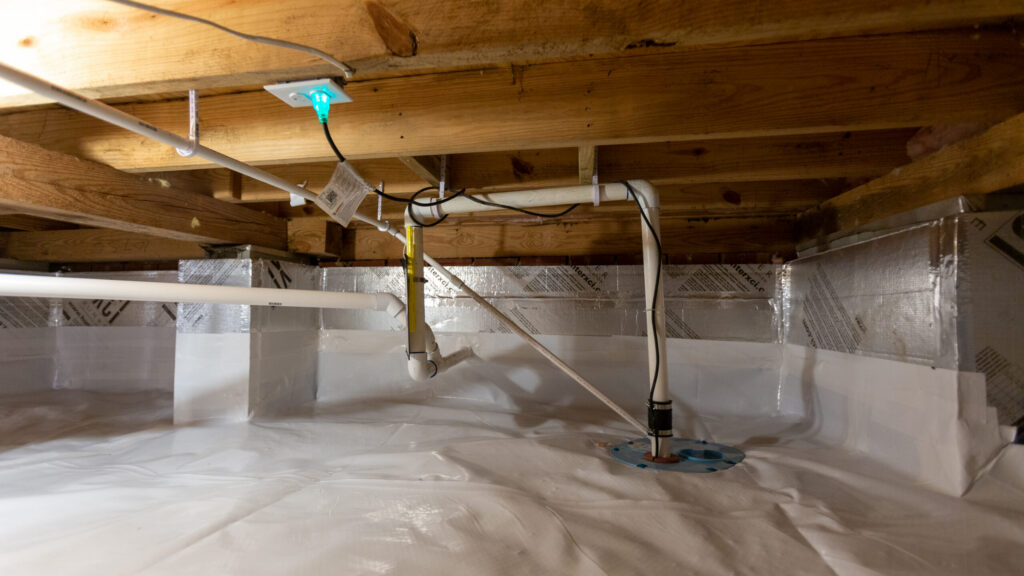
| Damp or musty crawl space | Surface water, ground moisture, or poor ventilation | Standing water, wood moisture, vapor barrier condition, grading outside |
| Gaps at baseboards, trim, or ceilings | Floor settlement or framing movement | Where the gaps occur and whether floors below have moved |
Not every crack needs structural repair. Hairline shrinkage cracks are common in concrete and drywall, and the inspection separates those from movement that does need attention.
Read More
When it comes to protecting your home, you deserve a company that values honesty and results. Here’s what sets us apart:

Our team is highly trained and certified, using proven methods and industry-leading solutions you can trust.

We understand California soils, weather, and building challenges better than anyone.

Every project is completed by trained technicians using top-quality materials.

You’ll always receive clear communication, respect, and attention to detail.

Enjoy peace of mind knowing your investment is protected for years to come.

No surprises. You’ll know exactly what your project costs before any work begins.
Our customers trust us because we deliver consistent results and honest communication. Read reviews and see how homeowners across California describe their experience with Foundation Repair of CA.